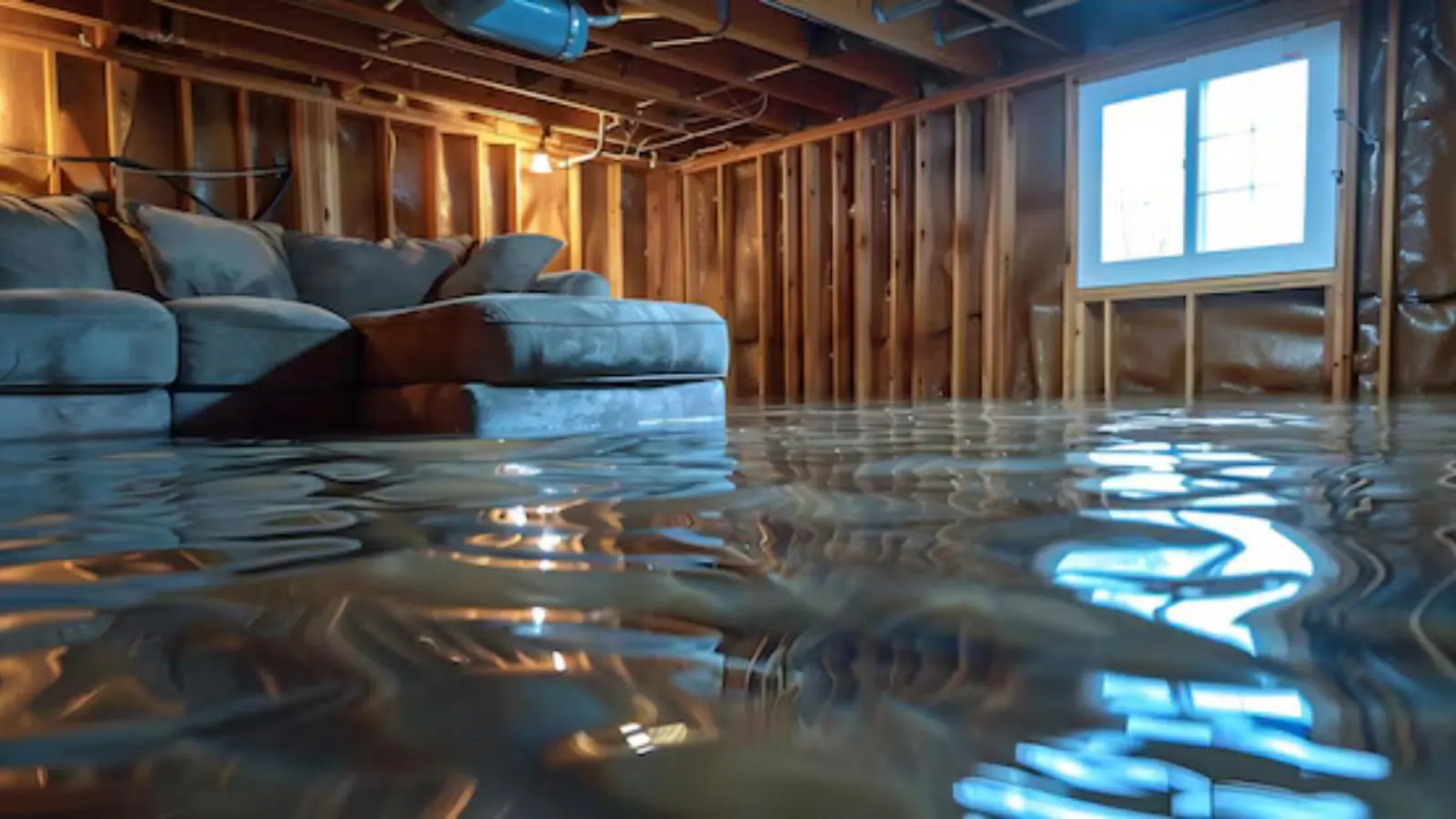
Water mitigation in Westborough, MA means stopping the damage in the first 24 to 72 hours. It is the stage where water is removed, wet materials are opened up and drying equipment is set. Callers often reach us while water is still coming in, and the line is open 24/7 for exactly that reason.
While you wait for a crew, shut off the water at the main valve if the leak is plumbing. Turn off power to wet areas only if you can reach the panel while standing on dry floor. Lift valuables, pull rugs, and keep children and pets out of the wet room.
When a wet wall is an emergency
A wall that feels damp, a carpet that squishes, a ceiling that drips: none of these are cosmetic. Water keeps moving into drywall, insulation and subfloor by wicking, and every day it sits raises the chance of mold. Public health guidance for water-damaged buildings in Massachusetts points to a day or two as the time to get porous materials dry, which is a fair goal in a home too.
Mitigation is built around that clock. It is the difference between a drying job measured in days and a rebuild measured in weeks.
What the first visit looks like
- Find and stop the source if it is still active, or confirm the plumber has done so.
- Classify the water: clean (category 1), gray (category 2) or contaminated (category 3). That decides what is dried and what is thrown out.
- Extract standing water with pumps or extraction units.
- Map moisture with meters and thermal imaging, so the crew knows where water went beyond what is visible.
- Open the wet areas where needed, such as pulling baseboards or cutting small holes to dry a wall cavity.
- Set air movers and dehumidifiers, then record readings so drying progress can be shown on paper.
Moisture mapping is why mitigation is not guesswork. A thermal camera shows cool spots where water has soaked a wall, and a pin or pinless meter gives a number you can track from day to day.
Structural drying: how the equipment works
Drying is controlled evaporation. Air movers push dry air across wet surfaces, lifting moisture off. Dehumidifiers pull that moisture out of the air so it does not settle somewhere else. Low-grain refrigerant (LGR) units are the common choice in homes, and desiccant units are used in colder or very wet conditions.
Most residential jobs run three to five days, though larger or more saturated losses take longer. The goal is not to make everything feel dry. The goal is for each material to read at or near its dry standard on a meter, which is how the ANSI/IICRC S500 water damage standard frames the work.
A crew should come back to check readings, move equipment, and pull it only when the numbers support it. If someone leaves fans running for a week without checking, ask why.
Standing water or a soaked wall right now?
| Category | Typical source | What it means for drying |
|---|---|---|
| Category 1 | Broken supply line, rain through a roof leak, overflowing sink | Most materials can be dried if started promptly |
| Category 2 | Washing machine or dishwasher discharge, toilet overflow with urine only | Porous materials such as carpet pad are usually removed |
| Category 3 | Sewage, river or flood water | Porous materials removed, surfaces cleaned and disinfected |
Water changes category with time. Clean water that sits in a warm basement for two or three days can degrade, which is another reason to call early.
Local causes: why Westborough basements and ceilings get wet
The town's Hazard Mitigation Plan, prepared with the Central Massachusetts Regional Planning Commission, names flood-prone roads including Oak Street and Chauncy Street near Lake Chauncy, Warren Street, Morse Street and Upton Road along Jackstraw Brook, and Maynard Street near the Assabet River. Those are road locations, not a map of which basements flood, but they show where water collects after hard rain.
Most calls we expect do not involve a river at all. Long-term weather records from the nearest NOAA station, at Worcester's airport, average about 48 inches of precipitation and 73 inches of snow a year. That mix of heavy rain, snowmelt and 130 days a year with freezing temperatures produces sump pump overloads, ice dams and frozen pipe splits. Ask your insurer how it treats each cause before you file.
Cost factors and insurance
Mitigation cost is driven by water category, square footage and how many rooms are affected, the materials that got wet, the number of drying days and the equipment count, and the rebuild scope that follows. A clear scope and price should be explained before work starts, and readings should be shared so you can see what was done.
Sudden and accidental water damage is often covered, while gradual leaks often are not, and flood damage usually requires a separate flood policy. Take photos before moving anything, and keep the drying logs, since they support a claim.
After drying comes water damage cleanup for any removed material and, when needed, water damage repair to rebuild. If the loss started as a pipe failure, see our notes on emergency water removal, and if you are in Southborough or Hopkinton, the same crews cover your town.
Questions we hear most
Yes. The dispatch line is answered 24 hours a day, every day. When crews are available the response is same-day, including after hours, and the person on the phone will tell you what to do while you wait.
Mitigation is the first stage: stopping the water, extracting it, and drying the structure. Restoration is the full path back to normal, including cleanup and repair after drying.
Many residential jobs run about three to five days, but that depends on the water category, how many materials got wet and the conditions in the house. A crew should measure moisture on a meter and keep equipment running until readings reach dry standards.
Surface drying is much faster than drying inside a wall cavity or framing. A meter reads moisture below the surface and often finds wet insulation or studs that the hand cannot feel.
For a small clean-water spill, some homeowners do. The risk is that the equipment is mismatched to the room or removed too early, which leaves moisture inside walls. If water has gone under flooring or into walls, ask for a professional moisture check first.
Yes. You hear the scope and price before work starts, and the scope should be written down so you can compare it with your insurer's view of the loss.