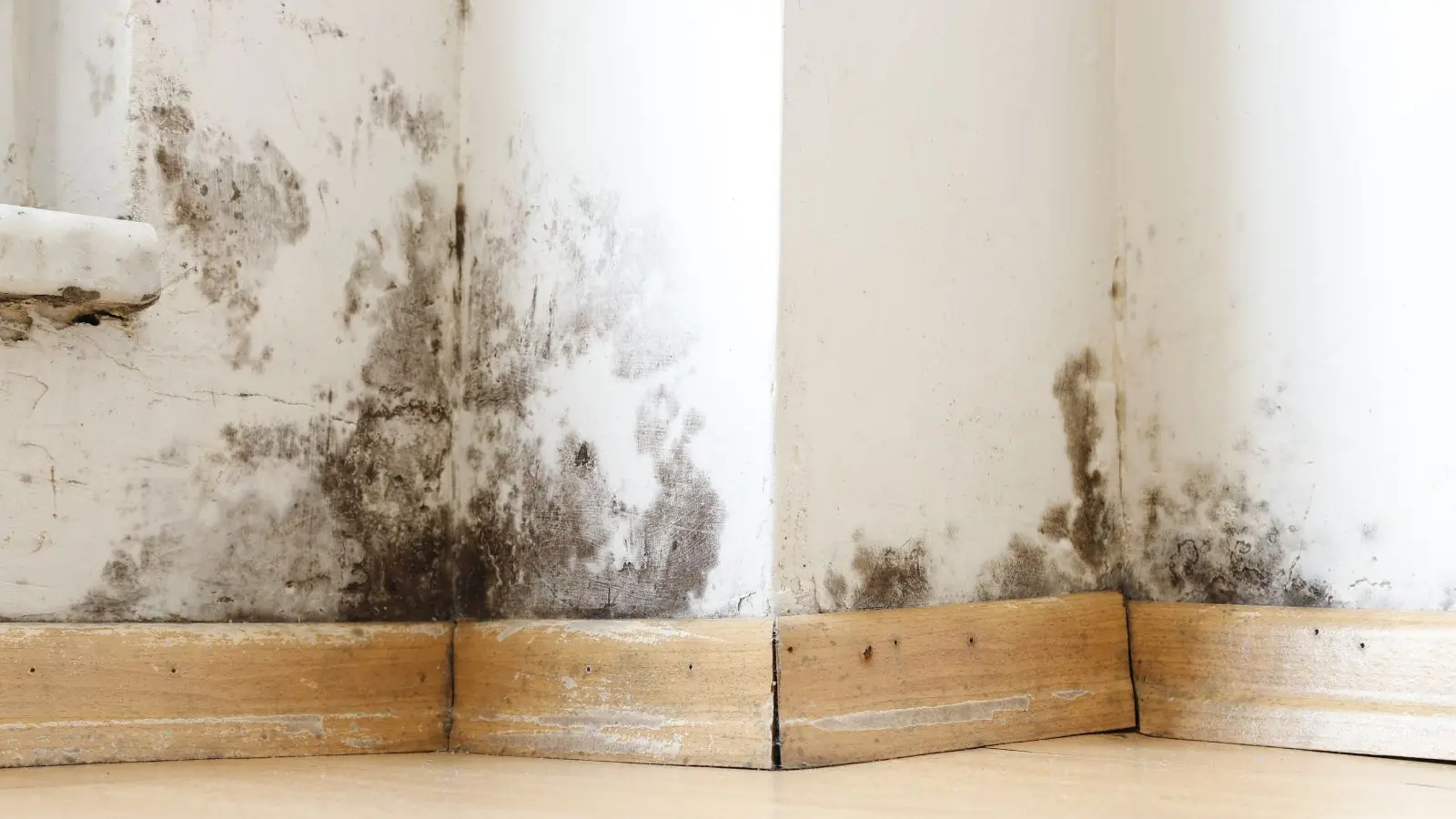
Mold on a basement wall is usually a moisture story with three possible characters: water coming through the wall, water vapor condensing on it, or water arriving from a leak or the grade outside. The cleanup is easy to describe. The hard part is finding which of the three is at work.
This guide helps you tell them apart before you spend money.
Seeping, condensing or leaking?
| Type | How to tell | Usual fix |
|---|---|---|
| Seepage through the wall | Wet patches after rain, white mineral crust, water at the base | Grading, gutters, sump pump, drainage |
| Condensation | Wall is wet on warm humid days, cold pipes sweat, dry after a dehumidifier | Dehumidifier, ventilation, insulation |
| Plumbing leak | Wet near a pipe or fixture, constant, not tied to rain | Repair the line |
| Hydrostatic pressure | Water at the floor-wall joint after heavy rain | Drainage and sump system |
A simple test: tape a square of plastic wrap tightly to the wall for a day or two. Moisture on the room side of the plastic is condensation. Moisture on the wall side is seepage through the wall.
Cleaning a small area
- Wear an N-95 respirator, gloves and goggles.
- Scrub hard surfaces such as concrete or block with detergent and water.
- Bag the rags, vacuum with a HEPA vacuum if you have one, and dry the area.
- Run a dehumidifier to keep humidity between 30 and 50 percent.
- Fix the water source, or the growth returns.
The EPA says the goal is removing mold, not killing it, since dead mold can still cause reactions. Porous materials such as drywall or insulation against a wet wall usually have to be removed.
Mold keeps coming back on the basement wall?
Finished basements are harder
Mold behind paneling, drywall or insulation is out of sight. A musty smell, bubbling paint and stained baseboards are clues. A crew opens a small section, takes moisture readings and judges how far it goes. If the wall cavity is wet, the wet material is removed and dried before anything is rebuilt.
That work is described on the mold remediation page, and the rebuild is covered under water damage repair.
Dealing with the cause
- Gutters and downspouts should discharge several feet away from the foundation.
- The ground should slope away from the house.
- A sump pump should be tested before wet seasons, with a backup if possible.
- Dryer vents and bath fans must discharge outdoors.
Homes in Northborough and Grafton near brooks and wetlands may have higher groundwater, and the same basement fixes apply.
A simple basement moisture log
For a few weeks, note the humidity reading, the weather and any wet spots. A cheap hygrometer works. After heavy rain, check the base of the walls and the floor drain. After a sudden warm, humid day, check cold pipes and walls for sweating. The log shows whether you are fighting seepage or condensation.
Share the log with whoever you hire. It helps them find the real cause instead of treating the symptom.
When water comes from outside
- Extend downspouts several feet from the foundation.
- Regrade soil so it slopes away from the house.
- Clear window wells and make sure they drain.
- Test the sump pump by pouring water into the pit, and consider a battery backup.
- Ask a contractor about exterior drainage if seepage is frequent.
Restoration deals with the damage after water comes in. The mold remediation page covers removal, and water mitigation covers drying. Homes in Shrewsbury and Southborough share these basement concerns.
Why basement walls stay damp longer than other rooms
Below-grade walls touch soil that holds water, and they sit at the coolest temperature in the house. Warm summer air meets a cool block wall and drops its moisture right there. That is why a basement can feel clammy in July and still be dry in January.
Poured concrete and block both wick moisture. Paint and sealers can slow it, but they do not stop water that is pushed through under pressure. Treat a sealer as a finish, not as a fix for a wet wall.
What a restoration crew checks
- Moisture readings at several heights on the wall, not just the stained spot.
- The base of the wall where it meets the slab.
- Any framing, insulation or drywall built against the wall.
- The sump pit, floor drain and any signs of past flooding.
Those readings separate a wall that is wet right now from a stain left by an old event. They also tell you whether the problem is drying out or still getting worse, which matters when you decide how much to spend.
Storing things in a damp basement
Cardboard boxes, fabric and paper soak up moisture and feed mold. Plastic bins with lids, raised off the floor on shelves, are better. Leave a gap between stored items and the wall so air can move. If the room has been damp, check stored items before you bring them upstairs.
Local note: wetlands and the Conservation Department
Westborough has brooks, ponds and wetlands across town, and work near them is regulated. The Conservation Commission, reached through the Conservation office at 508-366-3014, administers the town's wetlands rules. If a drainage fix means digging near a wetland, brook or pond, ask them before you start.
The Building Department in the Forbes Building at 45 West Main Street, 508-366-3015, is the place to ask about permits for structural or foundation work.
Source type: Town of Westborough departments.
Questions homeowners ask
No. Condensation on cold walls in humid weather is common. The plastic wrap test helps tell condensation from seepage.
Not before cleaning and fixing the moisture. Paint peels off damp walls and the mold returns.
The EPA suggests keeping indoor humidity between 30 and 50 percent.
Call the Conservation office at 508-366-3014 before digging near a brook, pond or wetland.